 100% Cotton Pique Knit Fabric Manufacturer for Polo Shirts | Zhepeng
Source 100% cotton pique knit fabric from Zhepeng for polo shirts and school uniforms. With in-house knitting and dyeing, we support custom colors and fabric development for your apparel production needs.
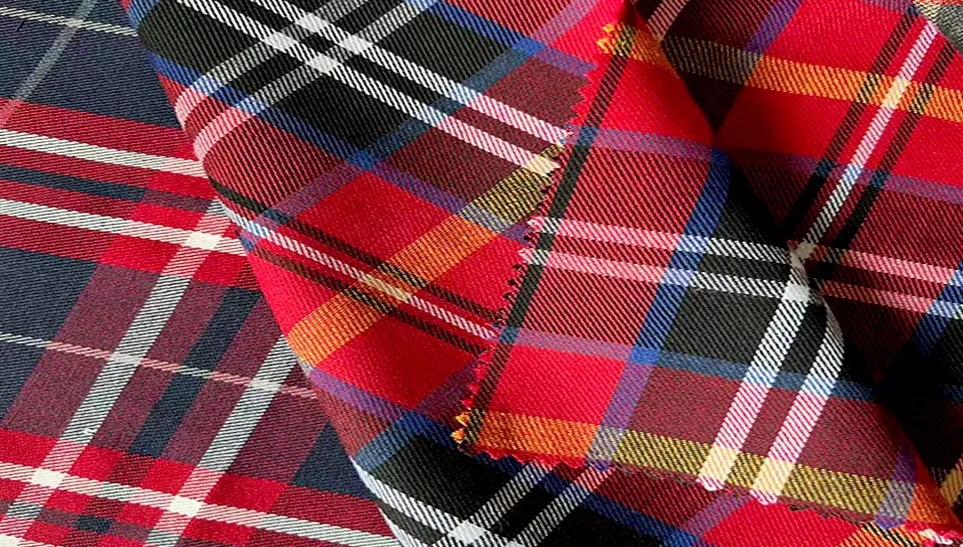
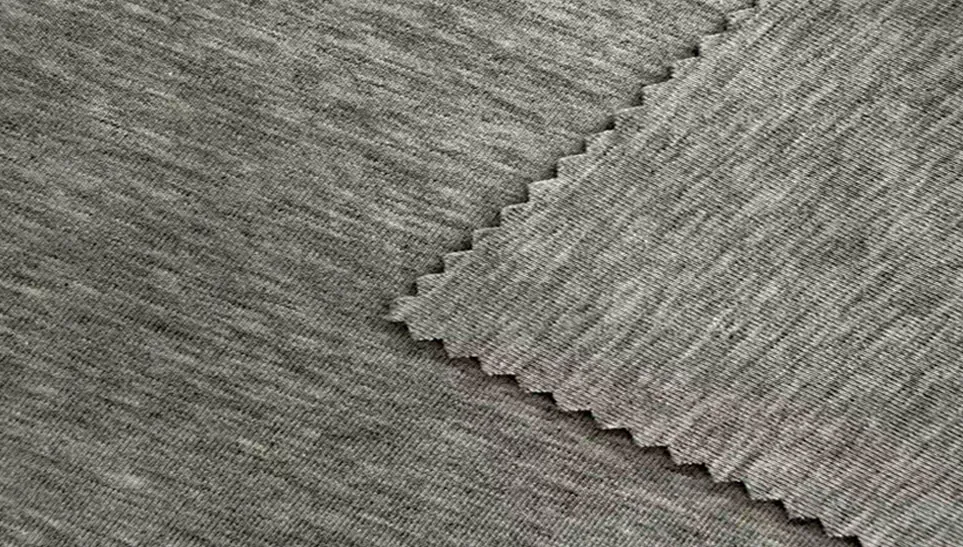
100% cotton pique knit fabric is a textured knitted textile made entirely from cotton, commonly selected for polo shirts requiring comfortable wear and a distinctive surface.
For school-uniform manufacturers, uniform brands and fabric buyers, choosing this material involves more than matching a color. Hand feel, shrinkage, shade consistency and repeat-order requirements all affect the finished garment.
Zhepeng Textile offers 5301# 100% Cotton Pique Knit Fabric as a starting point for development. Buyers can submit a reference swatch and discuss the weight, finish and color needed for their polo program.
Fabric performance is the combination of material characteristics and measured results that determines suitability for a garment’s intended use.
Cotton offers an absorbent, comfortable hand, while pique construction provides the familiar textured appearance of polo shirts. Actual breathability and softness depend on yarn, knit density, weight and finishing.
For schoolwear, assess three purchasing priorities:
Dimensional stability: Agree on acceptable lengthwise and widthwise shrinkage under the intended care conditions. AATCC TM135 addresses fabric dimensional changes after home laundering.
Colorfastness: Specify washing conditions and acceptance criteria. AATCC TM61 provides an accelerated laundering assessment.
Appearance retention: Evaluate pilling, surface changes and garment twisting through appropriate testing.
Approve a sewn, washed sample before bulk cutting; fabric composition alone cannot establish these results.
Application matching means selecting fabric characteristics around the wearer, garment design and expected care routine.
School polos need a balance of comfort, coverage and presentable appearance. Staff uniforms and branded casual polos may place greater emphasis on hand feel, embroidery compatibility and consistent corporate colors.
Weight influences coverage and garment body, but heavier fabric is not automatically better. Compare samples under realistic conditions, especially for white or pale shades. Trial embroidery with the intended backing to assess puckering and logo clarity.
Integrated manufacturing brings fabric formation, coloration and production coordination within one manufacturing operation.
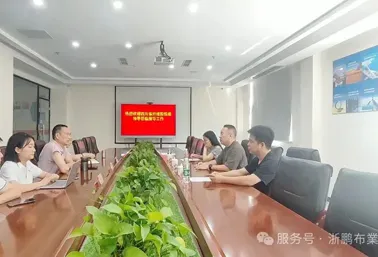
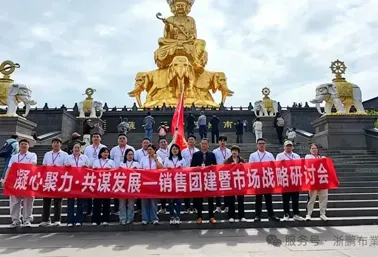
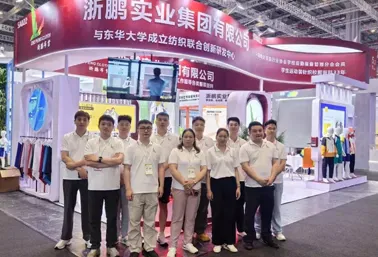
Established in 1993 in Chengdu, China, Zhepeng Textile combines over 30 years of knitted-fabric experience with in-house knitting and dyeing. Its company-wide facilities cover more than 60,000 square meters, with annual knitted-fabric output of 18,000 tonnes.
Zhepeng’s manufacturing resources include 300 circular knitting machines and an in-house laboratory. The company also holds ISO 9001 and ISO 14001 management-system certifications.
These capabilities support discussions about sample development, production controls and repeat orders. Available capacity and delivery dates should be confirmed for each project.
For harmful-substance requirements, request current documentation covering the selected fabric. OEKO-TEX STANDARD 100 concerns textiles tested for harmful substances; certificate scope and validity should be checked.
A fabric inquiry is a specification brief that helps a manufacturer assess feasibility, sampling needs and quotation requirements.
Use 5301# as your reference and provide:
Target composition, GSM and usable width.
Physical swatch or color standard.
Required hand feel and finish.
Shrinkage, colorfastness and pilling criteria.
Quantity per color, destination and delivery schedule.
Zhepeng supports customized development around customer requirements. Discuss composition alternatives separately when comparing cotton with blended options, because changing fiber content changes the specification.
Send your sample or specification sheet to Zhepeng to discuss development options, sampling arrangements, minimum order quantities and a project-specific quotation.
Fabric sourcing FAQs clarify the decisions buyers should resolve before sample approval and bulk ordering.
Yes, it is a relevant option when cotton comfort and a textured appearance are priorities. Validate performance against the school’s requirements.
5301# is Zhepeng’s reference for its 100% Cotton Pique Knit Fabric. Confirm current specifications before ordering.
Select GSM through sample comparison, considering climate, coverage and garment structure. Ask Zhepeng to confirm available weights.
Zhepeng offers dyeing and customization capabilities. Submit a color reference and agree on approval procedures and tolerances.
It can. Construction, finishing and care conditions influence dimensional change, so request results under agreed conditions.
Retain approved fabric and shade references, document tolerances, and agree on inspection requirements for subsequent batches.
Successful cotton pique sourcing combines a defined specification, approved samples and agreed production controls.
Zhepeng’s knitting, dyeing and development capabilities support school-uniform manufacturers, uniform brands and fabric purchasers. Start with 5301#, share your requirements, and confirm tested performance before committing to bulk production.
 Call us on:
 Email Us:
 No. 111 Qingbaijiangdong Road, Zhihe Street, Pengzhou, Chengdu, Sichuan Province, China

 English